



At this Research Exhibition, T-GEx Fellows, Associates, and Corporate Associates will present the outcomes and achievements of their cutting-edge research. The event aims to help a wide range of participants deepen their understanding of the significance and potential of each research project, while also providing opportunities to receive valuable comments and advice that may lead to further development and new collaborative research.
The theme of this year’s exhibition is “How Should Humans Do Science in an Era When AI Does Science?” Generative AI and machine learning are no longer merely tools that support research; they are beginning to play a deeper role in the research process itself, from formulating hypotheses and designing experiments to analyzing and interpreting results. At the same time, essential aspects of research—such as defining meaningful research questions, interpreting the significance of findings, and returning research outcomes to society—require human judgment more than ever.
For the special lecture, we are pleased to welcome Dr. Koichi Takahashi of RIKEN, who is working on the development of autonomous research environments that integrate AI and robotics. His lecture, entitled “AI Robot-Driven Science and the Future of Scientific Research,” will provide insights into the evolving relationship between machines and researchers. We hope this exhibition will encourage dialogue across disciplines and sectors, and serve as an opportunity to consider the future of science jointly shaped by AI and humans.

-
Opening Remarks
-
TAKEDA Hiroko (Program Manager , Nagoya University)
Short Presentation & Poster Presentation
-
tation & Poster Presentation
-
An outline of the poster presentation will be provided in advance.
-
Break
-
-
Poster Presentation
-
In addition to paper posters exhibits will be available for in-depth discussions only possible on-site.
-
Break
-
Please vote for the Poster Award. We would greatly appreciate your response to the overall survey.
Special Lecture
-
Special Lecture
-
AI-Robot-Driven Science and the Future of Scientific Research
Invited SpeakerKoichi TAKAHASHI (Project Director , RIKEN)
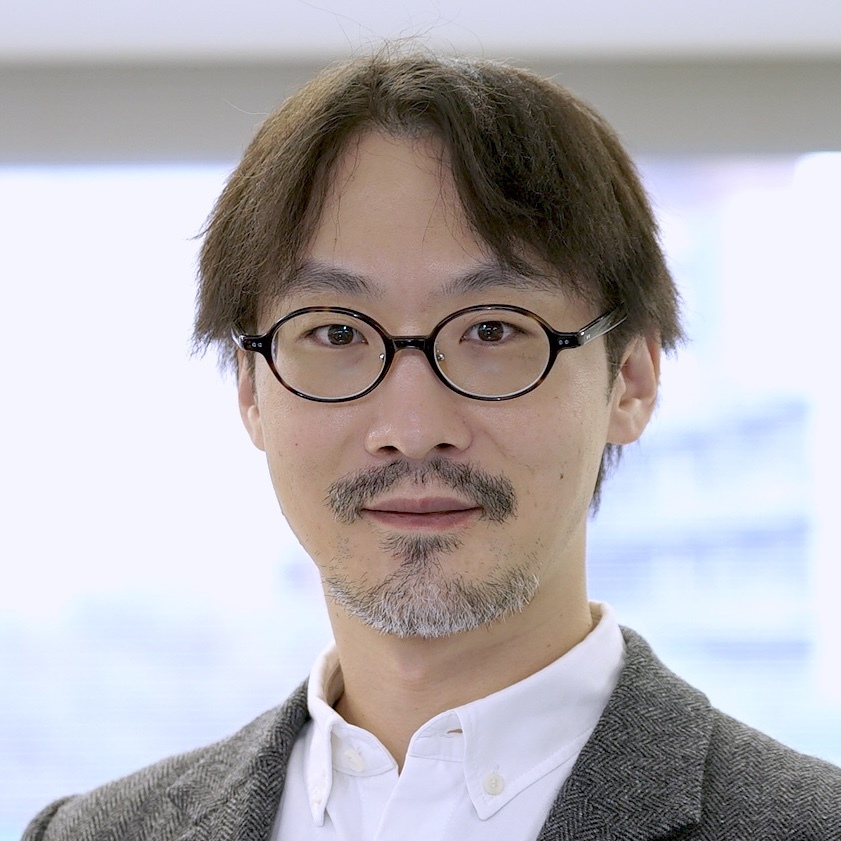
The integration of large language models with laboratory robotics is giving rise to AI-robot-driven science, in which machines run the research cycle from hypothesis generation through experimentation and analysis to the next hypothesis. Drawing on the humanoid laboratory robot Maholo and RIKEN's program to develop foundation models for scientific research, this talk maps the current state of AI for Science using a levels-of-autonomy framework and outlines how scientific research may look over the coming decade. It then examines what remains distinctively human, including the framing of questions, value judgments, and the sharing of understanding.
-
Break
-
-
Greetings
-
YASUURA Hiroto (Program Director , Comprehensive Support Project for the Strategic Professional Development Program for Young Researchers)
-
Closing Remarks
-
YAMANAKA Koji (Vice President , Nagoya University)
Venue
Higashiyama Campus, Nagoya University
Furo-cho, Chikusa-ku, Nagoya TEL:+81-(0)52-789-3402

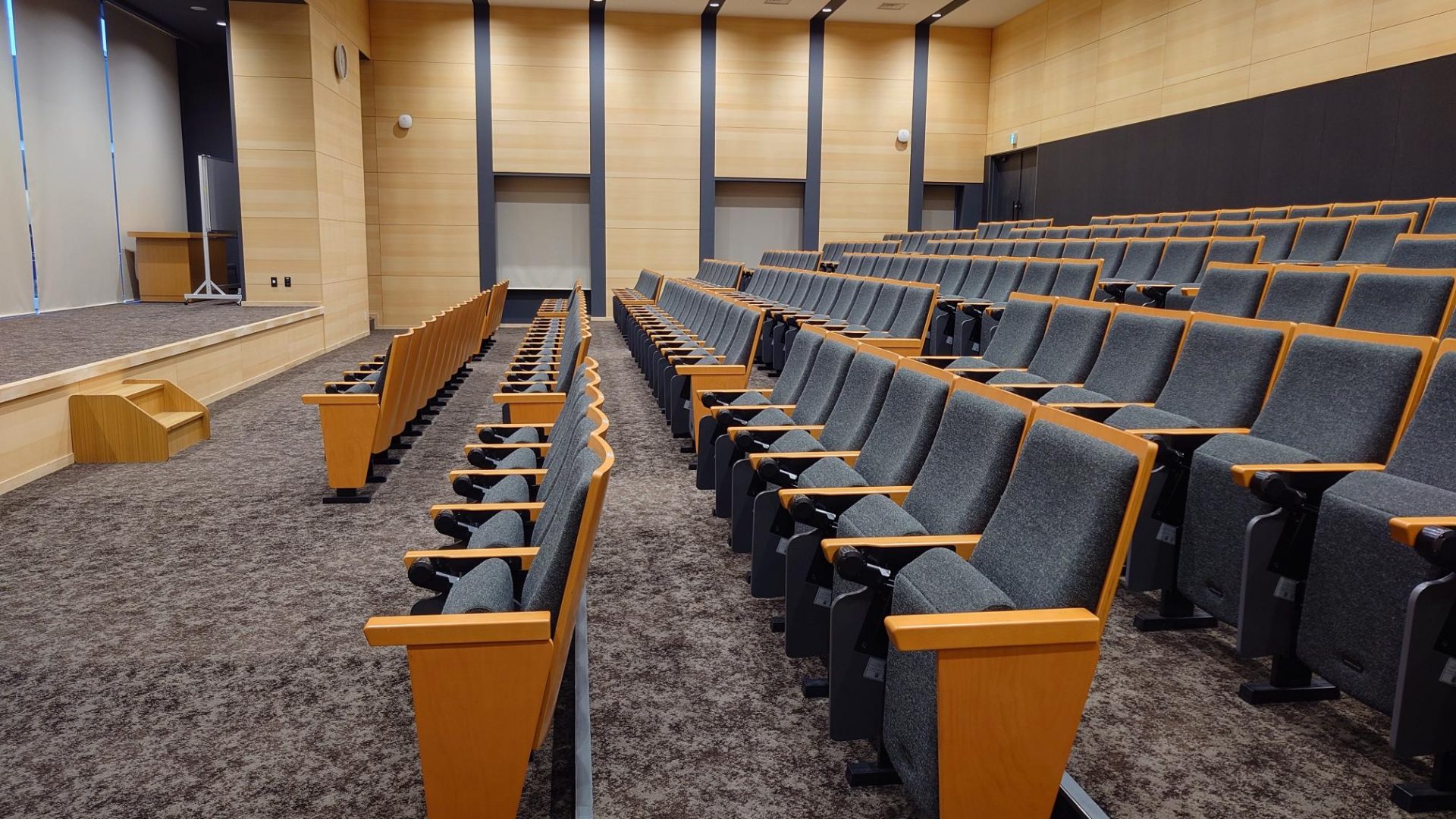
Interior View of the Venue
-
2nd Floor FUJI Hall (Special Lecture)
-
2nd Floor Multi-purpose space (Poster Presentation)

Download
Download Flyer

Contact Information
T-GEx Office (Nagoya University)
t-gex[at]t.mail.nagoya-u.ac.jp
Please replace [at] with @ when sending an email.
Title of the Poster Presentation & Abstract
| Name (Affiliation) | Title and Abstract |
|---|---|
|
AGRAHARI RAJ KISHAN Gifu University |
Molecular Mechanisms of Plant Adaptation to Acidic Soils
|
|
Ryoya TANAKA Nagoya University |
Neural mechanisms underlying group behavior in insects and AI-based behavioral detectionHow does brain activity in individual insects give rise to group behavior? We investigate the neural mechanisms underlying group formation in fruit flies. Preliminary findings show that activating a specific group of neurons induces dense aggregation, with different activation levels producing different aggregation patterns. We also developed YORU, an AI system that detects behavior from video in real time and enables neural manipulation in response to detected behaviors. This talk discusses how combining neural manipulation with AI-based behavioral analysis can reveal how interactions among individuals lead to group formation and how these mechanisms differ across species. |
|
Atsushi USAMI Nagoya University |
In-Insect Synthesis of Novel Nanocarbons as a Sustainable Biomanufacturing PlatformNanocarbons are carbon-based materials with potential applications in electronic and optical materials as well as in biological fields. However, transforming their molecular structures in a controlled manner often requires multistep and harsh reaction conditions. We are developing a new synthetic approach “in-insect synthesis” in a living insect is used directly as a reaction platform to transform nanocarbons under mild conditions. In this presentation, I will introduce our recent studies exploring the substrate scope and reaction selectivity of this approach. We focused on molecules containing an adamantane framework, a rigid three-dimensional carbon structure resembling a fragment of diamond. When these molecules were fed to Spodoptera litura larvae, we found that specific sites on the adamantane framework were selectively oxidized, despite such site-selective transformations being difficult to achieve using conventional organic synthesis. Building on this discovery, we are now investigating how insects recognize the shapes and sizes of artificial molecules and how these molecular features determine where molecular transformations occur. By harnessing the inherent xenobiotic-metabolizing capacity of insects for molecular synthesis, we aim to establish an environmentally sustainable platform for creating molecules and materials based on principles distinct from those of conventional organic synthesis. |
|
Raquel F P COSTA Nagoya University |
Rapid social reorganization and newcomer integration following immigration in wild mountain gorillas (Gorilla beringei beringei)Immigration can reshape animal group dynamics, yet the immediate behavioral adjustments accompanying newcomer integration remain poorly understood. We present a case study of a single immigration event in wild mountain gorillas (Gorilla beringei beringei), a species in which females frequently undergo secondary dispersal. Using dyadic affiliative proximity (within arm's reach) from continuous focal observations, we modeled the probability of affiliative proximity across dyad types (resident–resident vs. resident–newcomer) before and after immigration with Bayesian binomial logistic regression. The probability of affiliative proximity among resident dyads declined following immigration; however, resident–resident and resident–newcomer dyads then exhibited similar levels, indicating that newcomers were incorporated into affiliative interactions at rates comparable to residents. These findings suggest that immigration triggers rapid, short-term adjustments in affiliative relationships even in socially cohesive, ecologically stable primate groups, offering new insight into the social consequences of immigration in group-living animals. |
|
Kisetsu TSUGE Gifu University |
Cosmic Jets Shaping Gas and Accelerating High-Energy ParticlesThe Milky Way is thought to harbor many undiscovered black holes. Fast flows called jets, launched near black holes, can reshape surrounding gas and may accelerate cosmic rays, the high-energy particles that travel through space. Using the ALMA telescope, we observed molecular clouds, which are collections of cold gas, and discovered numerous narrow filaments across a region spanning about 550 light-years. Comparison with computer simulations suggests that these structures are “footprints” left as jets pushed aside and compressed the gas. Gamma-ray observations further suggest that these jets could act as powerful natural particle accelerators, supplying cosmic rays over one to ten million years. These footprints can persist after the jets’ high-energy emission fades. In this talk, I will present these findings and propose a new approach using these footprints to search for a potentially large population of undiscovered black hole candidates across the Milky Way and explore the origin of cosmic rays. |
|
Takahiro WATANABE Nagoya University |
Detection of an ancient human herpesvirus in Mesolithic chewed birch pitchWhat past people ate, which infections they carried, and which microbes lived in their bodies have long been inferred from sites and artefacts. Paleogenomics is the field that reads the DNA preserved in ancient material directly. Analysis of viruses, however, lags well behind that of bacteria, because viral genomes are small and little material survives. Here we set out to establish an analytical basis for the detection of ancient viruses, using the human herpesviruses, which persist for life once acquired. We re-analysed publicly available shotgun data from chewed birch pitch — Stone Age “chewing gum” — excavated at Huseby Klev, Sweden, and dated to about 9,700 years ago. One individual yielded 179 reads matching human herpesvirus 7 (HHV-7), a persistent virus carried by almost all adults and shed in saliva. Terminal deamination patterns matched those of the oral commensals in the same libraries, and the reads were spread across three independent extracts, showing that contamination or index hopping — the erroneous assignment of sequencing reads among multiplexed libraries — cannot account for them. This is the first report of HHV-7 in ancient material. Consolidating the method on the herpesviruses and then widening it to other pathogens should reveal which viruses humans have in fact lived with. Comparing the timing of primary infection and the lineage composition of persistent viruses between ancient and present-day data would open a route to testing the hypothesis that a changed relationship between humans and their microbes underlies the recent rise in immune-mediated disease, including autoimmune and allergic conditions. |
|
Seine A SHINTANI Chubu University |
One-Link Switching and Variable-Reach Length Redistribution in HSOsRegular cardiomyocyte contraction emerges from the coordinated motion of many sarcomeres, but cell-averaged shortening obscures how neighboring units reorganize locally. I reanalyzed existing high-speed recordings of hyperthermal sarcomeric oscillations (HSOs) in seven living neonatal rat cardiomyocytes. Five consecutive sarcomeres per cell were tracked at 500 frames per second, and the four adjacent pairs were classified as in-phase or anti-phase. Of 230 phase-state transitions detected during HSOs, 216 (93.9%) changed only one adjacent-pair relation. I then examined the relative placement of shortening and lengthening around one-link events. Redistribution ranged from short-reach patterns to patterns spanning the observed five-sarcomere chain, and broader reach was associated with a larger number of in-phase links before the switch. These results identify a mesoscale coordination process in which local phase reconfiguration is coupled to internal length redistribution within a connected sarcomere chain. |
|
Yoshimitsu YURA Nagoya University |
Clonal hematopoiesis; A hidden mechanism underlying cardiovascular diseaseIn industrialized countries, cardiovascular diseases are a major cause of mortality, responsible for about 30% of all deaths. The persistence of this high incidence, even with effective control of traditional risk factors such as hypertension and dyslipidemia, suggests the role of yet unidentified etiological factors. Emerging research has identified "clonal hematopoiesis" as a critical independent risk factor, significantly altering the current paradigm of cardiovascular disease etiology. Clonal hematopoiesis is a phenomenon where certain hematopoietic stem cells in the bone marrow acquire somatic mutations, leading to an overrepresentation of these mutated cells in the bone marrow. These mutations frequently appear in genes commonly implicated in leukemia, such as DNMT3A, TET2, and ASXL1, indicating a pre-leukemic condition. Importantly, these genetic alterations are passed onto differentiated peripheral immune cells, potentially modifying their function. In this exhibition, I will first present recent epidemiological evidence linking clonal hematopoiesis to cardiovascular diseases. Following this, I will introduce our laboratory's experimental research, focusing on how clonal hematopoiesis, exacerbated by aging or cancer treatments, contributes to the development of cardiovascular diseases. I would be pleased to discuss future research directions in this field aimed at developing novel diagnostic and therapeutic strategies that target clonal hematopoiesis. |
|
Shohei IYOSHI Nagoya University |
Pan-peritoneal treatment strategy for advanced ovarian cancer based on chemical biology and clinical omicsPeritoneal dissemination of ovarian cancer is supported by interactions among cancer cells, ascites, and intra-abdominal adipose tissue. We integrated chemical biology approaches for visualizing and modulating molecular and cellular states with clinical omics to establish a foundation for a pan-peritoneal therapeutic strategy targeting these three components. Cancer-cell-directed studies identified the significance of lipid metabolism alteration in ovarian cancer cells within omental metastases. Ascites-directed studies examined protein cleavage and processing alongside changes in the abundance of complement and other proteins. Semi-tryptic peptide analysis of ascites from 91 patients identified six of 1,504 cleavage sites with differences among molecular clusters after accounting for parent protein abundance and measurement and digestion batches. Preliminary findings in mouse models also suggested differences in ascites protein composition and processing associated with dissemination capacity, providing a basis for investigating proteolysis as a potential point of intervention. Adipocyte-directed studies focused on dedifferentiation into tumor-supportive omental adipocyte-derived fibroblasts. An assay employing a highly photostable lipid droplet probe enabled identification of candidate inhibitors of dedifferentiation. Coculture studies further suggested changes in mesothelial glycan structures and increased cancer-cell adhesion in the presence of adipocytes, highlighting a potential connection between adipocyte-associated microenvironmental changes and cancer-cell attachment. Together, these findings connect cancer-cell metabolic adaptation, ascites-associated protein processing, and the acquisition of tumor-supportive adipocyte states within a unified therapeutic framework. Further functional studies will determine the contribution of each process to dissemination and evaluate the effects of targeted intervention, advancing the development of strategies that address the peritoneal ecosystem as a whole. |
|
Koyo TSUJIKAWA Nagoya University |
Long-read diagnosis and international N-of-1 therapy for rare diseasesLong-read sequencing enables comprehensive analysis of structural variants, repeat expansions, DNA methylation abnormalities, and RNA isoforms that are difficult to detect using conventional approaches. We have established a high-throughput platform using PacBio Revio and applied it to the molecular diagnosis and mechanistic investigation of rare and undiagnosed diseases. We are now extending this platform toward therapeutic development through an international collaboration with Erasmus University Medical Center in the Netherlands. Our N-of-1+ framework links patient-specific genomic and RNA abnormalities to functional validation and individualized therapeutic strategies, including antisense oligonucleotides. We aim to establish an integrated pathway from genomic diagnosis to disease mechanism and precision therapy. |
|
Yuki TOMONARI HAMAMATSU PHOTONICS K.K. |
The basic research on the property of mitochondrial complex 1 PET tracerMitochondria produce most of the energy required for cellular function, and their dysfunction is associated with various diseases, including neurodegenerative, cardiovascular, and metabolic disorders.[18F]BCPP-EF and[18F]BCPP-BF are PET radiotracers developed to visualize mitochondrial Complex I, a key component of cellular energy production, in vivo. However, the relationship between PET tracer uptake and the actual enzymatic activity of Complex I has not been fully established. In this study, we elucidated the relationship between the accumulation of the PET tracer and complex I activity, and investigated the fundamental characteristics of mitochondrial PET tracers. |
|
Takumi SHIBUYA Hoyu Co., Ltd. |
Decoding the Characteristics of Japanese Hair Utilizing Bioinformatics TechnologiesHuman hair exhibits diverse characteristics, including variations in diameter, shape, and texture. However, a comprehensive understanding of the characteristics of Japanese hair remains limited. In this study, bioinformatics approaches are used to evaluate the relationships between hair phenotypes and molecular information from multiple perspectives, with a focus on commonalities and diversity within the Japanese population. This study aims to deepen our understanding of Japanese hair and contribute to the advancement of data-driven hair research and the development of next-generation hair care technologies. |
|
Hiroki KUMON HAMAMATSU PHOTONICS K.K. |
Miniaturization of a laser Doppler velocimeter using an on-chip fringe-pattern laserMicrochannels are utilized in cellular analysis such as blood tests. By measuring the velocity of cells within the microchannel,the accuracy of cell measurement and sorting can be improved. In this study, we successfully fabricated an on-chip patterned laser and generated interference fringes within the microchannel without the use of lenses. This enabled high dynamic range, high precision, and high accuracy measurement of cell velocity. |
|
Ai UENO Nagoya University |
Bringing Health Monitoring into Everyday Life: Noninvasive Biosensing with MEMS Wearable Devices
|
|
Masafumi SHOJI Tokai Optical Holdings Co.,LTD. |
A novel evaluation method of progressive addition lens
|
|
Takato ISHIDA Nagoya University |
Visualizing Heterogeneous Degradation of Plastics by Coarse-Grained MDPlastics degrade during use, and the degradation is not uniform inside the material. Oxidation and chain scission concentrate in local regions where molecular motion is fast. These regions become the starting points of small defects, which grow into final failure. Such heterogeneity is difficult to observe by experiment, and it is one reason why lifetime is hard to predict. We use coarse-grained molecular simulation, which removes atomic detail and makes long-time, large-scale calculation possible, and follow the degradation of crosslinked polymers down to individual chain-scission events. We visualize where degradation begins and how it spreads in space, in order to understand material lifetime at the molecular level. Degradation also lowers recycling efficiency and produces microplastics. Understanding heterogeneous degradation leads to the design of ultra-durable polymers that keep their performance during service. |
|
Tsukasa USUKI TOYOTA CENTRAL R&D LABS., INC. |
Development of Recyclable Polymers with Silyl Ether BondsWith the growing importance of polymer decomposition and chemical recycling technologies for realizing a circular economy, recyclable polymers incorporating cleavable structures into their molecular chains have attracted increasing attention. In this study, we focus on silyl ether bonds as cleavable linkages. Silyl ether bonds are widely used in the protection and deprotection of alcohols. They can be formed by reactions between alcohols and silane compounds and efficiently cleaved in the presence of acids or fluoride ions to regenerate the original alcohols. Incorporating these bonds into polymer chains is therefore expected to enable recyclable polymers that can be converted back into their starting materials under mild conditions. Here, we synthesized a novel polymer containing silyl ether bonds within hydrogenated polybutadiene chains and evaluated its mechanical properties. We also demonstrated the recovery of starting materials through polymer decomposition and the resynthesis of the polymer from the recovered materials. |
|
Saki NAMIMATSU Chubu University |
Data-Driven Infrastructure ManagementAs population decline, shortages of technical staff, and infrastructure aging continue, establishing sustainable infrastructure maintenance systems has become increasingly important. This study uses municipality-level data on population, fiscal capacity, technical staff, infrastructure assets, and condition to examine how maintenance responsibilities can be effectively grouped. It further explores data-driven approaches to defining management areas and the potential for intermunicipal collaboration. |
|
Masayuki YAMAMOTO DENSO CORPORATION |
Optimization of Palletizing for Size-standardized BoxesWe consider the optimization of palletizing for size-standardized boxes, which arises from a real- world application. Although the palletizing process for returnable containers (boxes) is standardized, the presence of multiple box sizes results in a combinatorially large number of possible loading patterns. In addi- tion, we take into account practical constraints such as requiring the top surface to be at to improve truck loading efficiency, which makes determining feasible loading patterns time-consuming even for experienced workers. We propose two mathematical optimization models that leverage the characteristics of standardized boxes, each suited to different types of instances depending on the number of box sizes. Numerical experi- ments demonstrate that the proposed models are superior to the deepest-bottom-left method and classical 3D packing algorithms in both solution quality and computational time. |
|
Kohei HONDA Nagoya University |
Environmental Representation and Behavior Optimization for Autonomous Mobile RobotsEnvironmental Representation and Behavior Optimization for Autonomous Mobile Robots |
|
Yusuke NOZAKI Meijo University |
Authentication Methods for Edge AI Hardware
|
|
Daigo OKADA Gifu University |
Digital Transformation of Cell Banking Using Blockchain TechnologyCells used in regenerative medicine can exhibit different characteristics even when they are of the same cell type, making it important to organize and manage information and research findings for each cell line. In this poster, we present the digital transformation of cell banking using blockchain technology, with the Gifu University Dental Pulp Cell Project, which manages a collection of human dental pulp-derived mesenchymal stromal cells isolated from wisdom teeth, as a case study. The web application “Shizui Vault” enables centralized organization and management of basic information, research findings, and sample storage information for each cell line. In addition, research ideas and findings can be hashed and recorded on a blockchain, allowing their existence to be verified while keeping their contents confidential. |
|
Tomoki NAKAYOSHI Meijo University |
Computational analyses of the structural and dynamical changes occurring when an enzyme binds to a substrate
|
|
Tomoya AMATSUTSU NEOREX Co., Ltd. |
The Use of AI in BusinessTo use generative AI in business, it is important to have policies and build an environment that ensures safe data handling. At Neorex, we are working on AI usage policies, using AI with internal company information, and building a private AI system. Through these activities, we are trying to find safe ways to use AI in our daily work. In this presentation, we will introduce these activities. |
|
Naiqi LI Nagoya University |
Decoding 2,000-Year-Old Words with AIBuddhism originated in India around 2,000 years ago and spread along the Silk Road to China and eventually to Japan. As Buddhist texts crossed linguistic and cultural boundaries, how were their words translated, interpreted, and transformed? This project digitizes ancient Buddhist texts and dictionaries, integrates them into a searchable database, and applies AI to analyze large-scale lexical and annotation data. By tracing how words traveled and changed across languages, regions, and centuries, the project explores 2,000 years of linguistic and cultural transmission and demonstrates new possibilities for integrating artificial intelligence with humanities research. |
|
Takashi MORITA Chubu University |
Demonstrating the Learnability of Word Origins via Computational ModelingThe vocabularies of existing languages are built upon a history of lexical borrowing from other languages. In Japanese, for instance, words are broadly categorized into three etymological strata: Native, Sino-Japanese, and Foreign words. Such etymological classifications are not directly observable in daily conversation unless one consults a dictionary. However, psychological experiments have shown that native speakers unconsciously recognize these etymological categories, raising a question as to how these categories could be learned from everyday observable data. This study demonstrates that the etymological classes of Japanese and English can be inferred solely from phonetic sequence information (unsupervised learning) through Bayesian learning simulations using real lexical data. We further show that the trained etymological classification model can explain the results of psychological experiments reported in previous studies. |
|
Ryosuke MIYAO Nanzan University |
Immigration Administration and Digital TechnologyTo improve the efficiency and speed of responding to the growing number of foreign nationals, immigration authorities in Japan and other advanced countries have increasingly introduced digital technologies, including artificial intelligence (AI). The use of such technologies enables administrative authorities to analyze not only information voluntarily provided by individuals, but also voice data, information stored on smartphones, biometric information, and other forms of data, thereby allowing them to infer facts that individuals themselves have not disclosed. At the same time, the use of digital technologies gives rise to new concerns, including erroneous assessments, discriminatory inferences, excessive collection of personal data, use of information for purposes other than those originally intended, and a lack of transparency in decision-making processes. This study examines the digital technologies used in immigration administration, with particular emphasis on the use of AI in refugee status determination, and analyzes how such technologies are incorporated into administrative processes. It further seeks to clarify the benefits, legal issues, and risks associated with the use of AI and other digital technologies in immigration administration, and to develop a legal framework for ensuring that AI technologies are used lawfully and appropriately. |
|
Kanae TAKAHASHI Meijo University |
From High School to Adulthood: A 20-Year Panel StudyPrevious research on parents’ educational attitudes has examined their associations with parents’ own educational attainment and socioeconomic status. However, understanding parents’ educational experiences requires attention not only to the level of education they ultimately attained, but also to their experiences during school and how they evaluated the value of schooling. This study examines how individuals’ engagement in school life and evaluations of schooling during high school are associated with the importance they later attach to various educational activities and educational advancement for their children. The analysis draws on data from a longitudinal panel survey that has followed the same individuals for more than 20 years, beginning when they were high school students. The study focuses on respondents who have become parents and examines the relationship between their school experiences during adolescence and their views on their children’s education in adulthood. By using responses collected while participants were still in high school, rather than relying on retrospective accounts, this study takes advantage of a key strength of long-term panel data to explore the relationship between early school experiences and educational attitudes later in life. |
|
Aiko HOSHINO Nagoya University |
On Sick Leave, Yet Still a Worker: Moving Beyond the Individualization of RecoveryMental health-related sick leave is a significant issue involving individuals, workplaces, and society. Previous research has primarily focused on facilitating sustainable return to work and preventing relapse by examining the effects of treatment and self-care, as well as relevant individual and workplace factors. However, such approaches may locate responsibility for recovery within individuals’ capacities and self-management, thereby obscuring the institutional, cultural, and social norms that shape how people work and take leave. Occupational science conceptualizes work not simply as paid activity performed by individuals, but through the mutually constitutive relationship between human occupation and its social conditions. This study draws on participatory action research in which people with experience of mental health-related sick leave participated as co-researchers. It critically examines how recovery becomes individualized and how normative constructions of the “desirable” person on sick leave and the “desirable” worker shape individuals’ experiences and choices. In doing so, the study repositions return-to-work support not solely as a medical or clinical intervention, but as a social practice through which workplace structures and dominant norms surrounding work can be critically reconsidered |
|
Jiayuan WANG Tokai Tokyo Securities Co., Ltd. |
Venture Capital Investment and Post-IPO Stock Performance: Evidence from Japanese StartupsCapital market participants tend to have high expectations for startups with advanced technological capabilities and strong growth potential, while at the same time remaining cautious about post-IPO exits by venture capital (VC) investors. Against this backdrop, this study examines the relationship between VC ownership immediately prior to an initial public offering (IPO) and post-IPO stock price performance, and presents preliminary empirical findings on this relationship. |